
WHICH SPLIT SYSTEM IS RIGHT FOR ME?
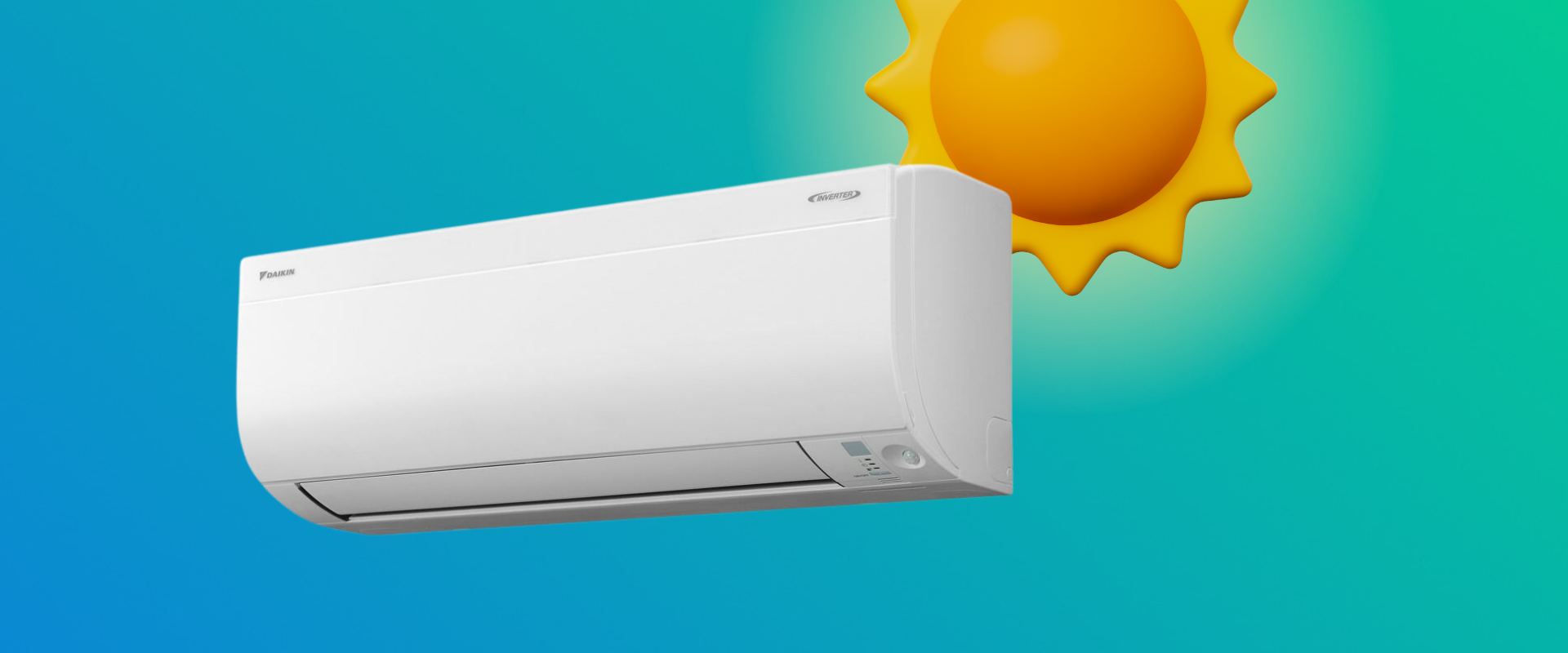
Choosing a new air conditioner can feel a little overwhelming. Do you need one unit for the living room? Multiple units throughout the house? Or would a ducted system make more sense?
The good news is that split systems are one of the most flexible heating and cooling options available. Whether you live in an apartment, are upgrading an older home or building a new house in Bendigo, there’s a split system configuration to suit the way you live.
At Holloway Air & Electrical, we regularly help homeowners across Bendigo and surrounding areas choose between single split systems, multi-head systems and ducted split systems. Here’s how they compare — and where each one works best.
What is a split system?
A split system has an indoor unit and an outdoor unit connected by refrigeration pipework. Unlike evaporative cooling, it doesn’t rely on a network of ducts throughout the house.
Most modern split systems are reverse cycle, meaning the same system can provide both heating and cooling. They’re also available with inverter technology, which allows the system to adjust its output to help maintain a comfortable temperature efficiently.
But there are a few different ways you can use a split system in your home.
1. Single split system
A single split system is exactly what it sounds like: one indoor unit connected to one outdoor unit.
The indoor unit is usually mounted high on the wall, making it a relatively straightforward way to heat or cool a particular room or open-plan area.
Perfect for:
Bedrooms
Home offices
Living rooms
Apartments and units
Smaller homes
Adding heating and cooling to one area of an existing home
A single split system can be a particularly good option if you don't need to heat or cool the entire house.
For example, if you spend most of your time in an open-plan kitchen and living area, you may not need to install a system in every bedroom. A correctly sized unit in the main living space could give you the comfort you need, while keeping the upfront cost relatively simple.
The limitations
The biggest limitation is coverage.
A single split system is designed to condition the space it's installed in. While air will naturally move between rooms when doors are open, you shouldn't expect one wall-mounted unit to provide even heating and cooling throughout an entire house.
And, of course, the indoor unit is visible on the wall.
For some homeowners, that's no problem at all. For others, particularly during renovations or new builds, keeping the interior visually clean is a priority.
2. Multi-head split system
Want to heat and cool several rooms but don't want a ducted system?
A multi-head split system could be the sweet spot.
A multi-head system connects several indoor units to a single outdoor condenser. Each indoor unit can be controlled independently, allowing you to heat or cool the rooms you're actually using.
Perfect for:
Homes with multiple living areas
Bedrooms that need individual temperature control
Existing homes without ductwork
Renovations where installing ducts isn't practical
Homes where you want to avoid multiple outdoor units
For example, you might have an indoor unit in the living room, another in the main bedroom and another in a home office. You can choose which rooms are running and adjust them independently.
This can be particularly useful for families who don't all use the house in the same way. You don't necessarily need to heat or cool every room at the same time.
The limitations
The main compromise with a multi-head system is aesthetics.
Although you only have one outdoor condenser, you still have visible indoor units on the walls.
If you're trying to achieve a completely concealed look throughout your home, a ducted split system may be a better fit.
There's also more planning involved. The number and position of indoor units, the size of each room and the way your home is laid out all need to be considered when designing the system.
3. Ducted split system
If you want heating and cooling throughout your home without having wall-mounted units on display, a ducted split system could be the answer.
The main equipment is installed out of sight, generally in the roof space, with conditioned air distributed throughout the home via ductwork and ceiling vents.
Perfect for:
Larger family homes
New builds
Major renovations
Whole-home heating and cooling
Homeowners who prefer a clean, uncluttered look
Homes where zoning different areas is important
A ducted split system can provide whole-home heating and cooling from one system, with zoning allowing you to control different areas of the house depending on how you're using them.
For a new build or major renovation in Bendigo, this can be a particularly attractive option because the ductwork can be planned into the design from the beginning.
The limitations
The main consideration is the upfront investment.
Ducted systems generally require more planning and installation work than a single split system, particularly if you're retrofitting one into an existing home.
You'll also need suitable roof space and access for the ductwork and indoor unit. Every home is different, so a site assessment is important before deciding whether ducted is the right option.
So, which split system is right for you?
There's no one-size-fits-all answer.
As a general guide:
Choose a single split system if:
You want to heat or cool one room or a specific living area and want a straightforward, cost-effective solution.
Choose a multi-head split system if:
You want heating and cooling in several rooms, but don't need — or don't want — a fully ducted system.
Choose a ducted split system if:
You want whole-home heating and cooling with the system largely hidden from view and the ability to zone different areas of your home.
Of course, your home's size, layout, insulation, windows, orientation and electrical requirements will all affect the right system and size.
That's why we don't recommend choosing an air conditioner based on the square metre rating alone.
Why Split Systems Are an Excellent Choice
There’s a reason split systems are such a popular choice for homes across Bendigo and Central Victoria.
They're flexible, efficient and can provide both heating and cooling from the one system. You can install one where you need it, add additional units as your needs change, or use a multi-head or ducted configuration to create a whole-home solution.
They're also a great option for replacing older heating and cooling systems or adding air conditioning to an existing home without undertaking a major renovation.
And because you can control individual rooms with many split-system configurations, you're not necessarily paying to heat or cool parts of the house you're not using.
The key is choosing the right system for your home, rather than simply choosing the biggest or most expensive option.
Need help choosing the right split system?
Still not sure whether a single, multi-head or ducted split system is right for your Bendigo home?
That's where we can help.
At Holloway Air & Electrical, we assess your home, how you use each space and what you're looking to achieve before recommending a system. We'll help you choose the right solution for your comfort, budget and home — and take care of the installation from start to finish.
Looking for split system air conditioning in Bendigo or the surrounding area? Get in touch with the Holloway Air & Electrical team for a free quote.