
LET’S TALK ABOUT CARBON MONOXIDE (CO)
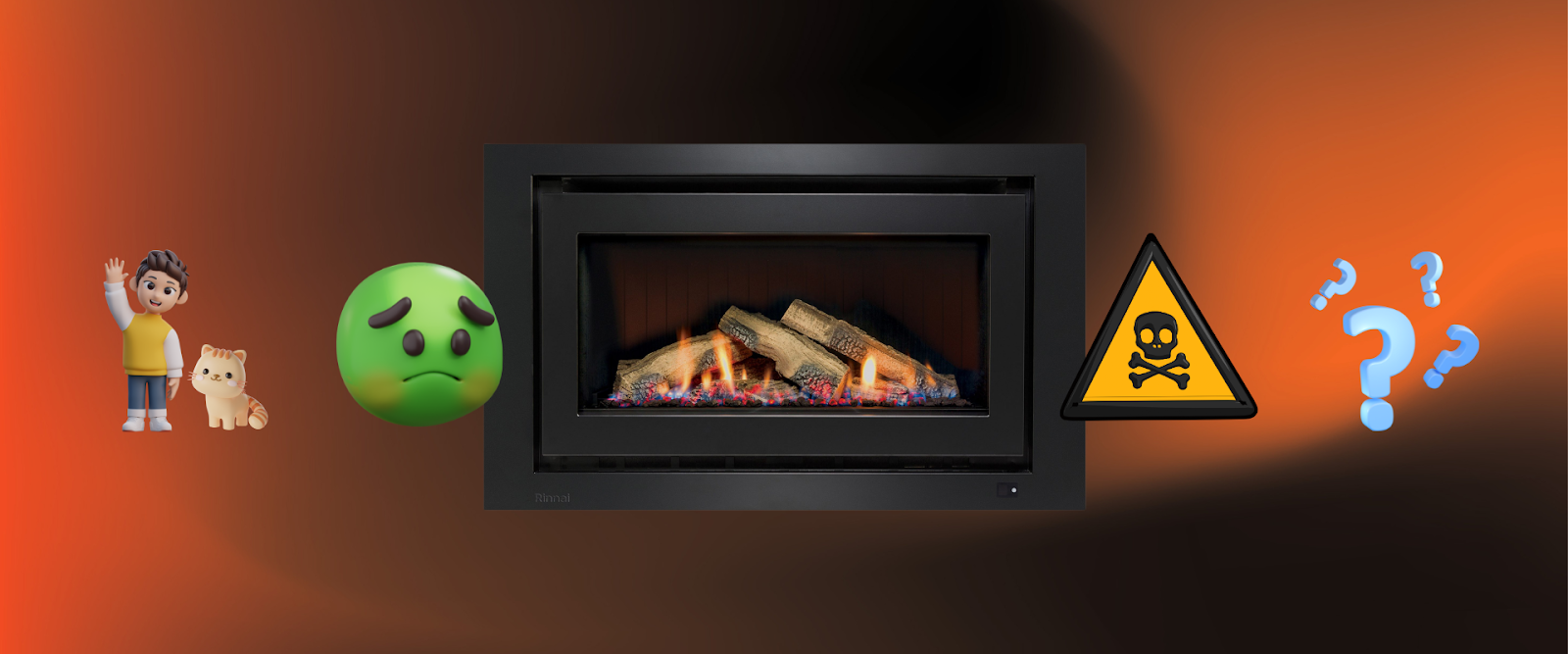
Is your gas heater safe? You need to be sure, because carbon monoxide (CO) could be spilling into your home while your gas heater is running. CO is a poisonous gas that you can’t see, taste or smell, and it is produced from burning fuels like the gas used in your heater.
You must take this silent killer seriously.
CO building up inside your home can make you sick for a short time, have long-term health effects or even kill you and your family quickly.
Things to know about CO
The gas is colourless, odourless and tasteless
It can cause loss of consciousness, seizures and death
All people and pets are at risk of poisoning
Symptoms of CO poisoning
Some of the symptoms are similar to cold symptoms, common in winter, and this can make it difficult to diagnose and differentiate that you are suffering from carbon monoxide poisoning. EnergySafe Victoria advises if you notice any of the following symptoms, they could be caused by CO leaking from your heater.
Dizziness
Feeling sick or nauseous
Headaches
People and/or pets getting sick at the same time
Feeling unwell only when you’re at home
How to avoid CO poisoning
This is why it is vital you have your gas heaters and appliances serviced and tested by a qualified technician before you switch them on and start using them each winter.
Regular servicing not only tests for carbon monoxide, but it also ensures your heater runs at peak efficiency this winter (and many winters to come).
Holloway Air and Electrical can support you with your gas appliance servicing needs. Our comprehensive gas heater service includes:
Carbon monoxide (CO) testing
Negative pressure smoke test (where applicable)
Inspection of system operation and components, including heat exchanger
Checking of gas pressure and adjustment if necessary
Cleaning of flame and ignition sensors, burner, venturi and gas jets
Cleaning of room air fan (for space heaters only)
A comprehensive report provided
Don’t leave it too late; book in your service with the team at Holloway Air and Electrical today — and for more information on the risks of CO poisoning visit here.